

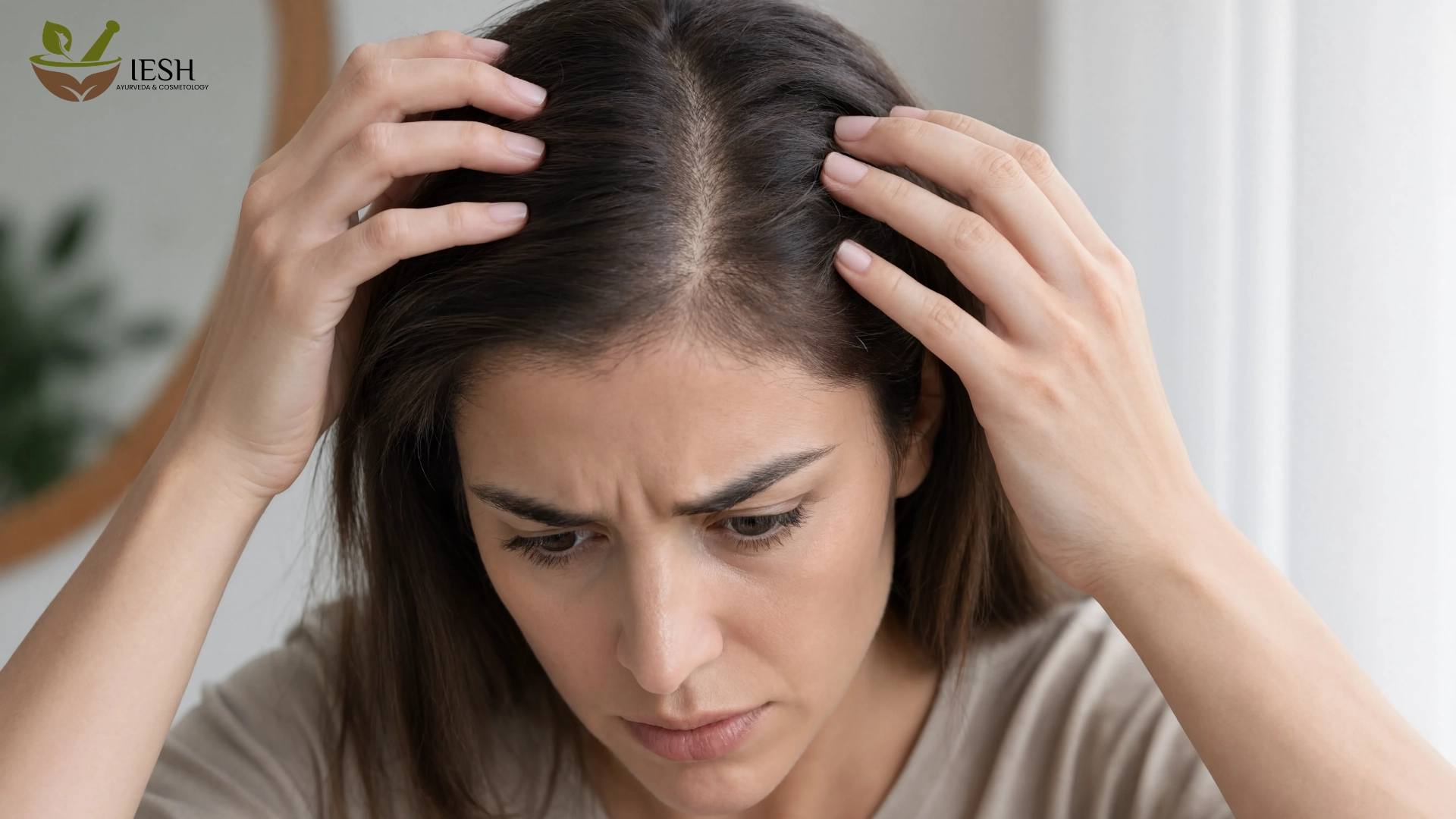
Hair loss is a common concern that affects both men and women of all ages. While genetics, hormonal changes, stress, and medical conditions are well-known causes, vitamin deficiency-causing hair loss is often overlooked. Your hair follicles require a steady supply of essential nutrients to produce healthy, strong strands. When your body lacks these nutrients, your hair growth cycle can be disrupted, leading to excessive shedding, thinning, and weakened hair.
If you’ve been wondering which vitamin deficiency causes hair loss, this comprehensive guide explains the most important vitamins linked to healthy hair, the signs of deficiency, and how to restore your hair naturally.
Which Vitamin Deficiency Causes Hair Loss?
The answer isn’t limited to a single vitamin. Several vitamin deficiencies can contribute to hair thinning and excessive shedding. Understanding which vitamin deficiency causes hair loss helps identify the root cause instead of simply treating the symptoms.
The most common vitamin deficiencies associated with hair loss include:
- Vitamin D deficiency
- Vitamin B12 deficiency
- Biotin (Vitamin B7) deficiency
- Folate (Vitamin B9) deficiency
- Vitamin C deficiency
- Vitamin E deficiency
Each vitamin plays a unique role in supporting healthy hair follicles and maintaining the natural hair growth cycle.
1. Vitamin D Deficiency and Hair Loss
Among all nutrient deficiencies, Vitamin D is one of the most researched in relation to hair health. Hair follicles contain Vitamin D receptors that help regulate the hair growth cycle.
When Vitamin D levels become too low, dormant follicles may remain inactive, resulting in reduced hair growth and increased shedding.
Symptoms of Vitamin D deficiency
- Diffuse hair thinning
- Slow hair regrowth
- Bone pain
- Fatigue
- Muscle weakness
- Frequent infections
Several studies suggest that people with conditions like alopecia areata often have lower Vitamin D levels compared to healthy individuals.
2. Vitamin B12 Deficiency Causing Hair Loss
Vitamin B12 is essential for producing healthy red blood cells that carry oxygen to hair follicles. Without sufficient oxygen and nutrients, follicles become weaker, leading to excessive hair shedding.
People following strict vegetarian or vegan diets may be at greater risk of Vitamin B12 deficiency.
Common signs include:
- Hair thinning
- Weak, brittle hair
- Fatigue
- Numbness in hands and feet
- Pale skin
If you’re searching for which vitamin deficiency causes hair loss, Vitamin B12 is one of the first nutrients your healthcare provider may evaluate.
3. Biotin (Vitamin B7) Deficiency
Biotin has become one of the most popular nutrients for hair growth. Although true biotin deficiency is relatively rare, inadequate levels can lead to noticeable hair loss.
Biotin supports keratin production, the protein that forms the structure of your hair.
Symptoms may include:
- Hair thinning
- Brittle nails
- Skin rashes
- Dry scalp
Many over-the-counter hair supplements contain biotin, but supplementation should only be taken when clinically indicated.
4. Folate (Vitamin B9) Deficiency
Folate supports the production of new cells, including the hair cells essential for healthy hair growth.
Low folate levels may slow down cell regeneration, causing hair follicles to become less active.
People with digestive disorders or poor dietary intake may develop folate deficiency over time.
5. Vitamin C Deficiency
Vitamin C is essential for collagen production and iron absorption.
Since iron deficiency is another major cause of hair loss, inadequate Vitamin C can indirectly contribute to hair loss due to vitamin deficiency by reducing iron absorption.
Vitamin C acts as a powerful antioxidant, helping protect hair follicles from damage caused by free radicals.
Foods rich in Vitamin C include:
- Oranges
- Guava
- Kiwi
- Amla
- Bell peppers
- Strawberries
6. Vitamin E Deficiency
Vitamin E supports scalp circulation and protects hair follicles from oxidative damage.
Although Vitamin E deficiency is uncommon, low levels may contribute to poor scalp health and fragile hair.
Natural sources include:
- Almonds
- Sunflower seeds
- Spinach
- Avocados
Vitamin Deficiency and Hair Loss: Why Diagnosis Matters
Many people assume that taking hair supplements will automatically solve the problem. However, vitamin deficiency and hair loss should always be properly evaluated before starting supplements.
Excessive intake of certain vitamins can also negatively affect hair health.
A qualified healthcare professional may recommend blood tests to check:
- Vitamin D
- Vitamin B12
- Folate
- Iron
- Ferritin
- Zinc
- Thyroid function
Identifying the exact deficiency allows for more effective treatment.
Can Hair Grow Back After Correcting Vitamin Deficiency?
In many cases, yes.
If hair loss due to vitamin deficiency is diagnosed early, correcting the deficiency often allows the hair growth cycle to normalize over the following months.
Hair typically grows slowly, so visible improvement may take:
- 2–3 months for reduced shedding
- 3–6 months for noticeable regrowth
- 6–12 months for significant improvement
Results depend on the severity of the deficiency, overall health, genetics, and consistency of treatment.
Foods That Help Prevent Vitamin Deficiency Causing Hair Loss
A balanced diet remains one of the best ways to support healthy hair growth.
Include foods such as:
- Eggs
- Fish
- Milk
- Yogurt
- Green leafy vegetables
- Lentils
- Nuts
- Seeds
- Citrus fruits
- Sweet potatoes
- Mushrooms
Proper hydration, adequate protein intake, regular exercise, and good sleep also contribute to healthier hair.
When Should You See a Hair Specialist?
Occasional hair shedding is normal. However, you should consult a healthcare specialist if you notice:
- Hair falling out for more than three months
- Visible scalp or widening hair part
- Bald patches
- Sudden severe hair loss
- Hair loss after illness
- Hair loss accompanied by fatigue or other nutritional symptoms
Early diagnosis improves the chances of successful treatment.
Why Choose IESH Ayurveda & Cosmetology Clinic?
If you’re experiencing persistent hair loss and suspect a vitamin deficiency is causing it, professional evaluation is essential. IESH Ayurveda & Cosmetology Clinic, recognized as the best hair clinic in Thrissur and Calicut, offers a comprehensive approach that focuses on identifying the root cause rather than simply addressing the symptoms.
The experienced team at IESH evaluates factors such as nutritional deficiencies, scalp health, hormonal imbalances, stress, genetics, and lifestyle before recommending a personalized treatment plan. By combining the principles of Ayurveda with modern cosmetology, the clinic aims to promote healthier hair growth through evidence-informed, individualized care.
Whether your hair loss is related to vitamin deficiency and hair loss, hormonal changes, scalp disorders, or other underlying conditions, IESH provides tailored solutions designed to support long-term hair and scalp health. Their patient-centered approach and commitment to quality care have made them a trusted choice for individuals seeking effective hair restoration in both Thrissur and Calicut.
Final Thoughts
Understanding which vitamin deficiency causes hair loss is the first step toward finding the right treatment. While deficiencies in Vitamin D, Vitamin B12, Biotin, Folate, Vitamin C, and Vitamin E can all contribute to thinning hair, identifying the exact cause through proper evaluation is essential. Rather than relying solely on supplements, focus on a balanced diet, healthy lifestyle habits, and professional assessment to address the root cause.
If you’re experiencing ongoing hair loss due to vitamin deficiency or other underlying concerns, seeking expert care can make a significant difference. At IESH Ayurveda & Cosmetology Clinic, experienced specialists provide personalized hair evaluations and tailored treatment plans to address the underlying causes of hair loss and promote healthy hair growth.
FAQs
Which vitamin deficiency is most likely to cause hair loss?
Vitamin D deficiency is one of the most commonly associated nutritional deficiencies linked to hair loss. However, deficiencies in Vitamin B12, Biotin, Folate, Vitamin C, and Vitamin E may also contribute.
Can vitamin deficiency cause permanent hair loss?
Most hair loss due to vitamin deficiency is reversible if diagnosed and treated early. Long-term untreated deficiencies may prolong recovery.
Should I take hair vitamins without testing?
It’s best to consult a healthcare professional before starting supplements. Taking unnecessary vitamins may not improve hair growth and, in some cases, excessive supplementation can have adverse effects.
How long does it take for hair to regrow?
Most people notice reduced shedding within two to three months after correcting the deficiency, while visible regrowth may take three to six months or longer.